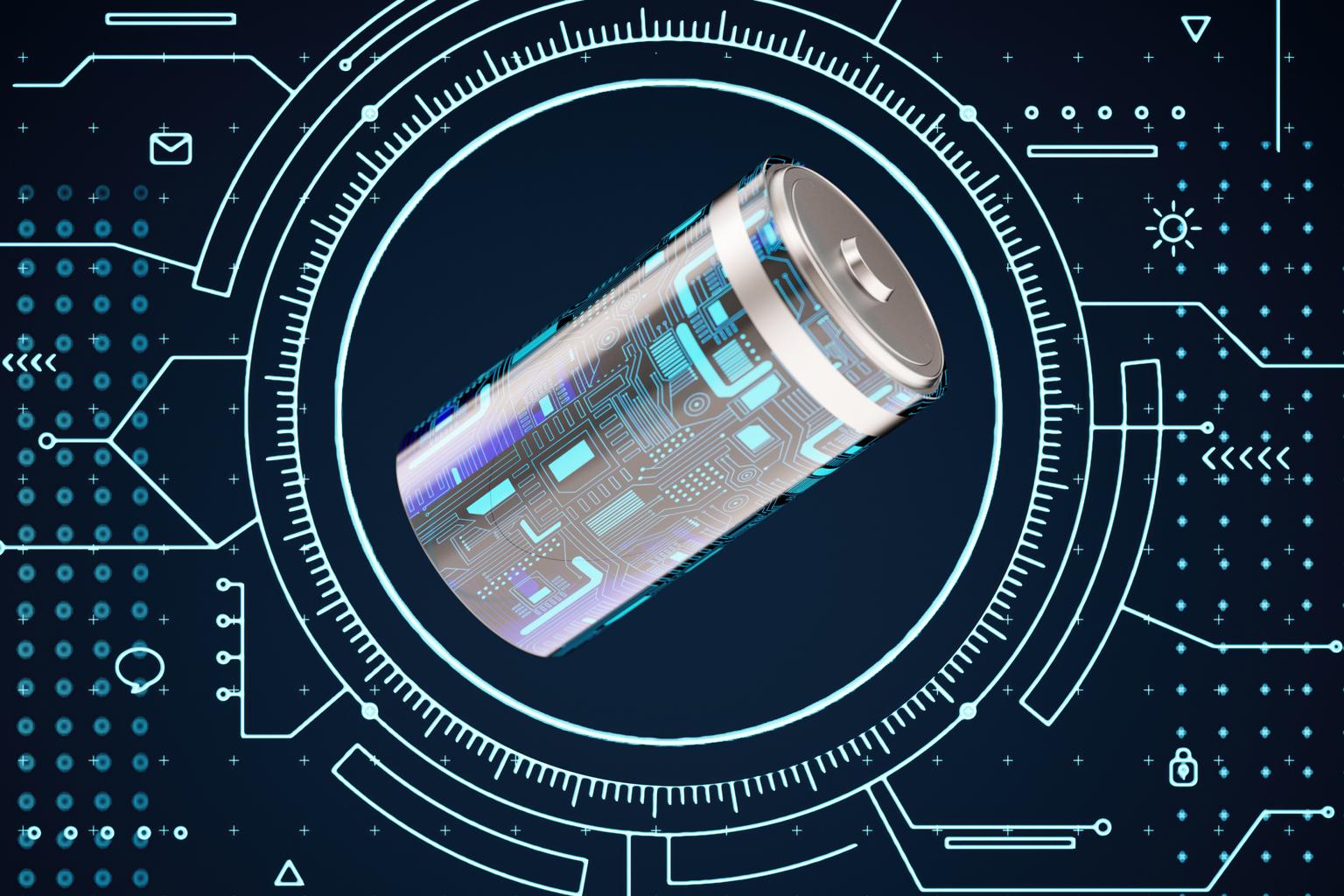
A next-generation energy storage concept designed to deliver higher
energy density, longer lifespan and safer power systems using
advanced materials and nanotechnology.
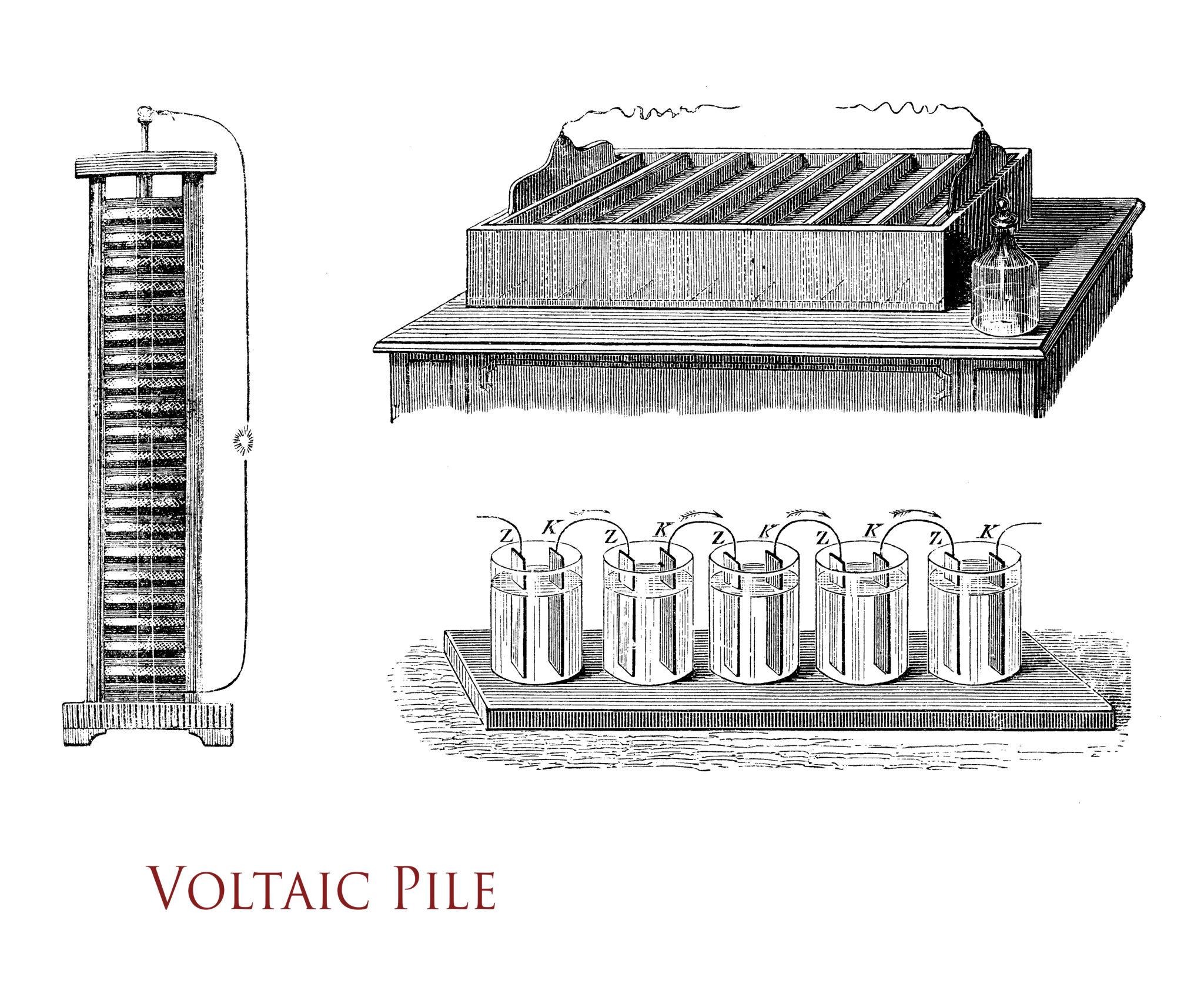
The first true battery invented by Alessandro Volta that produced continuous electrical current.
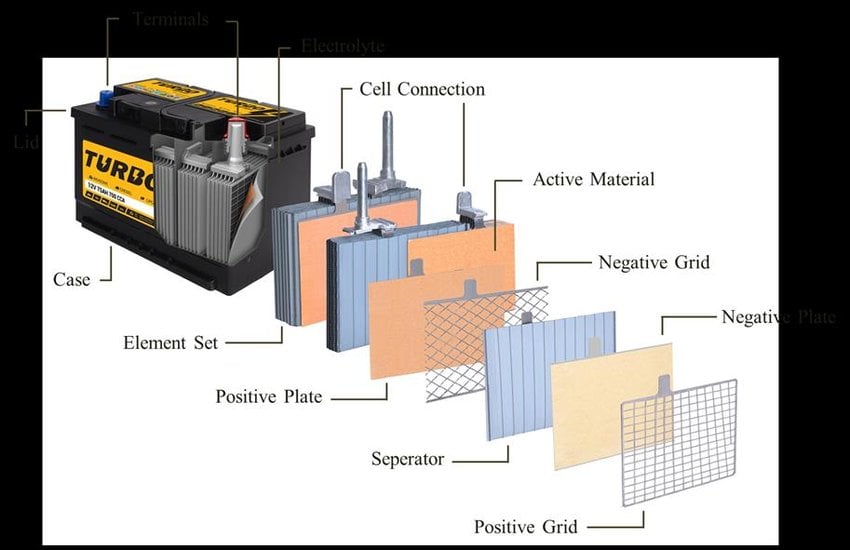
1859 – Lead Acid Battery
The first rechargeable battery widely used in automobiles and backup power systems.
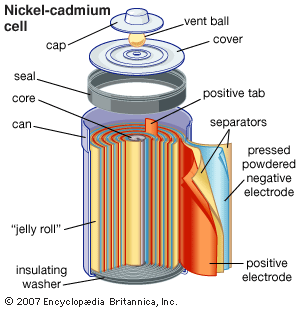
1899 – Nickel Cadmium
Rechargeable battery technology known for durability and industrial applications.
1991 – Lithium Ion Battery
The dominant battery technology powering modern electronics and electric vehicles.
Future – Solid State Batteries
Next-generation battery technology offering higher energy density and improved safety.
The Problem with Current Batteries
Modern society relies heavily on batteries to power electronic devices,
electric vehicles, renewable energy storage systems, and many portable
technologies. Batteries have become an essential component of modern
infrastructure because they allow energy to be stored and used when needed.
However, despite decades of scientific advancement, existing battery
technologies still face several important limitations.
One of the major challenges is limited energy density. Energy density refers
to the amount of energy that can be stored in a given volume or mass of a
battery. Devices with higher energy density batteries can operate for longer
periods without increasing battery size or weight. Although lithium-ion
batteries currently dominate the market, researchers are continuously working
to improve their storage capacity and efficiency.
Another significant issue is battery degradation over time. During repeated
charging and discharging cycles, chemical reactions inside the battery slowly
damage internal materials. This reduces the battery’s capacity to store
energy, which eventually decreases the overall performance of electronic
devices and vehicles.
Safety concerns are also an important factor in battery development. Some
batteries may experience overheating due to internal reactions or external
conditions. In extreme cases, this can lead to thermal runaway, which may
result in fire or device damage. For this reason, researchers are exploring
new materials and battery designs that provide better thermal stability and
improved safety.
Additionally, environmental sustainability is becoming an important concern.
The extraction of certain battery materials such as lithium, cobalt, and
nickel can have environmental and economic impacts. Developing safer and more
sustainable energy storage technologies is therefore an important goal for
future research.
Limited energy storage capacity
Degradation after repeated charging cycles
Thermal instability in certain battery types
Environmental impact of battery materials
Need for more sustainable energy storage solutions
The Atomic Endurance Concept
The Atomic Endurance concept represents a theoretical approach to designing
next-generation battery systems. The idea focuses on improving energy storage
performance by combining advanced materials, nanotechnology, and optimized
battery architectures. The objective is to develop a battery that offers
higher energy density, longer lifespan, and improved safety compared to
traditional battery systems.
One key aspect of this concept is the use of nanostructured electrode
materials. Nanomaterials have extremely small structures at the atomic or
molecular scale. These structures can increase the surface area available
for electrochemical reactions, which may improve the movement of ions
through the battery and increase overall efficiency.
Another important component of the Atomic Endurance design is the use of
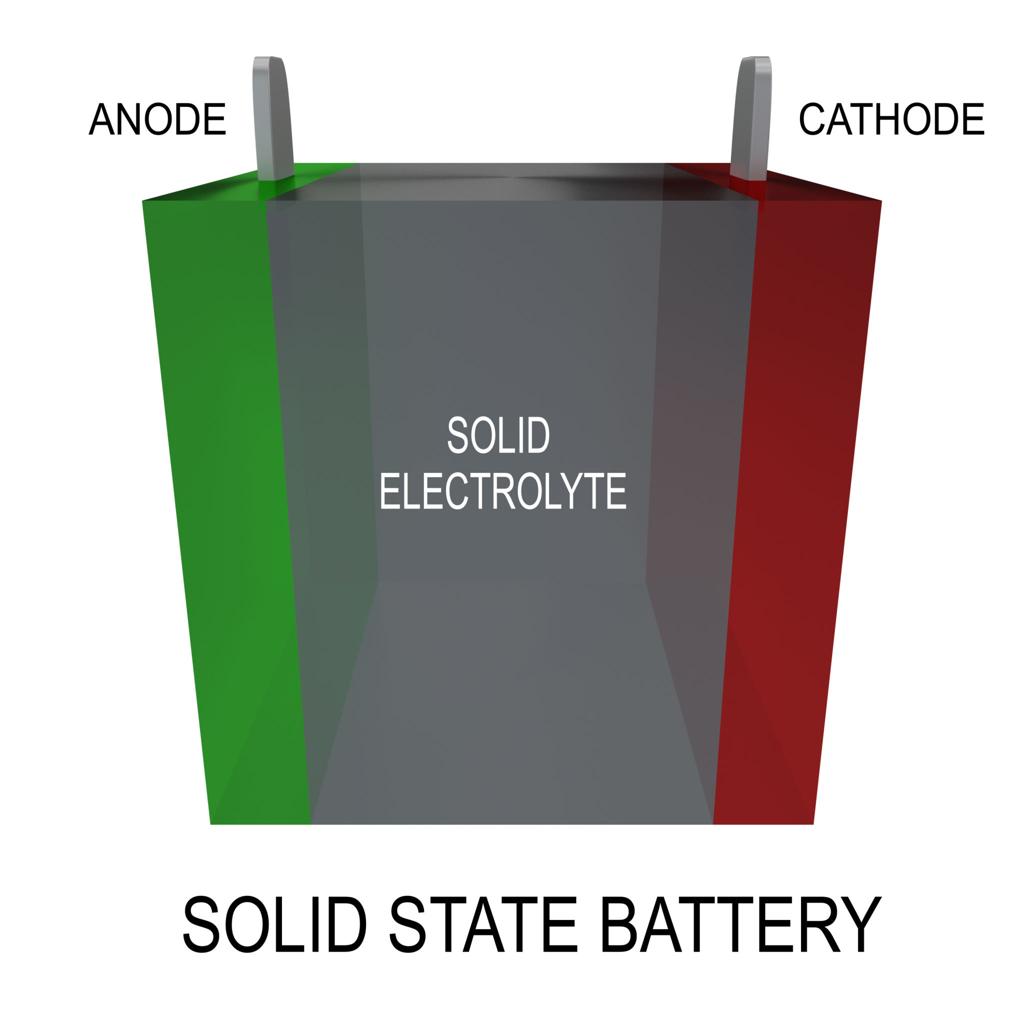
solid-state electrolytes. Conventional batteries often use liquid
electrolytes that allow ions to travel between electrodes. However, liquid
electrolytes can sometimes lead to leakage or instability. Solid-state
electrolytes offer improved thermal stability and can reduce safety risks.
The concept also focuses on optimizing ion transport pathways inside the
battery. Efficient ion movement between the anode and cathode can improve
charging speed and reduce energy losses during operation. By combining these
advanced design strategies, the Atomic Endurance battery concept aims to
represent a potential future direction in battery technology research.
Advanced nano-material electrodes
Solid-state electrolyte design
Improved ion mobility
Enhanced thermal stability
Atomic Battery Architecture
The Atomic Endurance concept proposes an advanced internal battery
structure designed to improve electrochemical performance and long-term
stability. The architecture integrates nanostructured electrode materials,
optimized ion transport pathways, and solid-state electrolyte layers
to enhance energy storage efficiency.
The internal structure includes an advanced anode layer, high-efficiency
cathode materials, and a solid electrolyte transport system that enables
faster ion movement between electrodes. These design strategies aim to
reduce internal resistance and improve charging performance.
Advanced anode layer for improved lithium storage
High-efficiency cathode materials
Solid electrolyte transport system
Optimized ion transport pathways
Research and Technical Analysis
Research in battery science involves multiple scientific disciplines,
including electrochemistry, materials science, nanotechnology, and
electrical engineering. Scientists study how ions move between the
anode and cathode during charging and discharging processes.
Many researchers are currently investigating new electrode materials
that can store more energy and maintain stability over long periods
of use. Graphene, silicon-based anodes, and lithium-metal materials
are examples of promising candidates being explored in modern battery
research.
Another important research area focuses on battery management systems
(BMS). These systems monitor temperature, voltage, and charging
conditions to ensure safe operation of battery packs in devices such
as electric vehicles and large energy storage systems.
Through experimental studies, computer simulations, and prototype
testing, researchers aim to develop more efficient and environmentally
sustainable battery technologies.
Technical Development Workflow
The Atomic Endurance battery concept follows a structured
technical development process that integrates research,
material engineering, system architecture design,
and simulation-based evaluation.
1. Problem Identification
Energy density limitations in existing battery systems
Capacity degradation during repeated charge cycles
Thermal instability in high-energy battery materials
2. Research & Technical Analysis
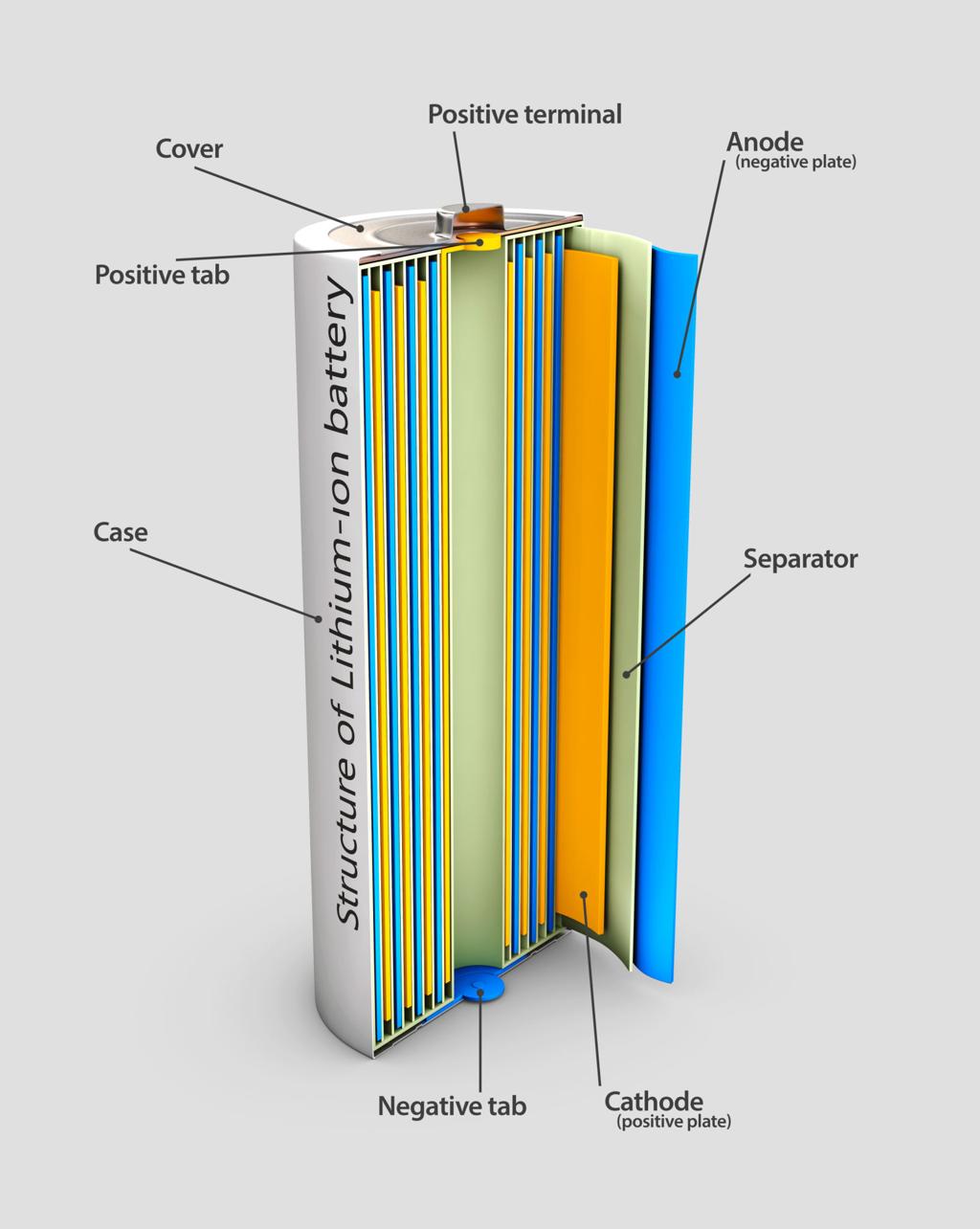
Lithium-ion battery architecture
Nanomaterial electrode structures
Solid-state battery technology
Battery Management Systems (BMS)
3. Concept Development
Atomic-scale material engineering
High-density nanostructured electrodes
Solid Electrolyte Interface (SEI)
4. System Architecture Design
Advanced anode layer design
High-efficiency cathode materials
Solid electrolyte transport system
5. Development & Simulation
Charge-discharge cycle simulation
Thermal stability modeling
Energy density analysis
Efficiency optimization
6. Performance Evaluation
Cycle life testing
Energy density benchmarking
Safety and stability evaluation
Final Outcome
The final objective of the Atomic Endurance project is the
development of a next-generation battery system capable of
delivering higher energy density, longer operational lifespan,
improved safety, and sustainable energy storage performance.
Higher energy density
Longer lifespan
Improved safety
Sustainable energy storage
Computational Simulation Framework
Before physical prototypes are developed, battery concepts must be
evaluated using advanced computational simulations. These simulations
allow researchers to analyze ion transport, thermal behavior, and
electrochemical reactions within the battery system.
Multi-physics simulations help estimate important performance metrics
such as energy density, charging efficiency, cycle life, and thermal
stability under different operating conditions.
Charge-discharge cycle simulation
Thermal stability modeling
Energy density analysis
Efficiency optimization
Atomic Battery Architecture
The Atomic Endurance concept proposes an advanced internal battery
structure designed to improve electrochemical performance and long-term
stability. The architecture integrates nanostructured electrode materials,
optimized ion transport pathways, and solid-state electrolyte layers
to enhance energy storage efficiency.
The internal structure includes an advanced anode layer, high-efficiency
cathode materials, and a solid electrolyte transport system that enables
faster ion movement between electrodes. These design strategies aim to
reduce internal resistance and improve charging performance.
Advanced anode layer for improved lithium storage
High-efficiency cathode materials
Solid electrolyte transport system
Optimized ion transport pathways
Quantum Energy Reactor
This animation represents the flow of ions and energy inside the Atomic Endurance battery. The wave patterns visualize how energy moves through nanostructured materials and optimized ion pathways during battery operation.
Performance Goals
The performance of a battery system is typically evaluated using
several important parameters. These include energy density, charging
speed, cycle life, and overall safety. Improving these parameters
is the main objective of next-generation battery research.
Higher energy density allows batteries to store more energy within
the same size or weight. This is especially important for portable
electronics and electric vehicles, where compact energy storage is
essential.
Faster charging capability is another major research focus. Modern
users expect devices to recharge quickly while maintaining battery
health over long periods of use.
Cycle life refers to the number of charge-discharge cycles a battery
can complete before its capacity significantly decreases. Increasing
cycle life helps reduce waste and improves the long-term sustainability
of battery technology.
Battery Technology Comparison
Different battery technologies offer varying levels of energy density,
safety, lifespan, and charging performance. The Atomic Endurance concept
aims to improve upon these existing technologies.
Battery Type
Energy Density
Recharge Cycles
Safety
Applications
Lead-Acid
Low
300-500
Moderate
Automobiles, Backup Power
Nickel-Cadmium
Medium
1000+
Good
Industrial Devices
Lithium-Ion
High
500-1500
Moderate
Phones, Laptops, EVs
Solid-State
Very High
2000+
Excellent
Future Electric Vehicles
Atomic Endurance
Ultra High
3000+
Superior
Future Energy Systems
Future Applications
Future battery technologies such as the Atomic Endurance concept have the
potential to significantly influence many industries. As global demand for
energy storage continues to grow, more efficient and reliable battery
systems will become increasingly important for technological development.
Electric vehicles represent one of the most important applications for
advanced battery systems. Improved energy density could allow vehicles to
travel longer distances on a single charge, while faster charging
capabilities would reduce waiting times for users. These improvements would
support the global transition toward cleaner transportation systems.
Renewable energy systems also rely heavily on battery storage. Solar and
wind energy sources do not generate electricity continuously, so energy must
be stored when production is high and used when production is low. Advanced
battery technologies can help stabilize renewable energy systems and make
them more reliable.
Additional applications include aerospace technology, satellite power
systems, smart grid infrastructure, and portable medical devices. In these
fields, reliable and efficient energy storage is essential for continuous
operation and safety.
As research continues to advance, future battery technologies may play a
central role in supporting sustainable energy systems and enabling new
technological innovations.
Electric vehicles with longer driving range
Renewable energy storage for solar and wind power
Aerospace and satellite power systems
Portable electronics with extended battery life
Smart grid energy storage infrastructure
Sustainability and Environmental Impact
Future battery technologies must address environmental sustainability
along with performance improvements. The Atomic Endurance concept
encourages the exploration of alternative materials that reduce
dependence on scarce resources such as cobalt and nickel.
Longer battery lifespan also reduces electronic waste by allowing
devices and energy systems to operate for extended periods without
replacement. Sustainable manufacturing processes and recyclable
materials will play a key role in next-generation energy storage
technologies.
Reduced dependence on rare materials
Extended battery lifespan
Improved recyclability
Sustainable energy storage systems
Conclusion
Battery technology is a fundamental component of modern technological
development. From portable electronics to renewable energy storage,
batteries enable many systems that support daily life and global
infrastructure.
The Atomic Endurance concept represents a theoretical framework for
future battery development. By combining nanomaterial engineering,
solid-state electrolytes, and improved system design, this concept
aims to overcome many limitations of current battery technologies.
Although further research and experimentation are required before such
systems become practical, the study of advanced battery architectures
remains an important field of scientific innovation.
Continued progress in battery research will contribute to sustainable
energy solutions and support the growing demand for efficient and
reliable energy storage systems.